


Mount Kilimanjaro
Climb Mount Kilimanjaro
This is one of the most iconic adventures in the world. Rising to 5,895 meters (19,341 feet), it is the highest mountain in Africa and the tallest free-standing mountain on Earth. Located in Tanzania, Kilimanjaro is unique because it can be climbed without technical mountaineering skills, making it accessible to a wide range of people with proper preparation and determination.
The mountain features five distinct climate zones, from lush rainforest at the base to arctic conditions at the summit. As you climb, you pass through changing landscapes, encounter unique wildlife, and witness breathtaking views. Reaching Uhuru Peak, the highest point, is not just a physical achievement but a powerful personal accomplishment that many describe as life-changing.
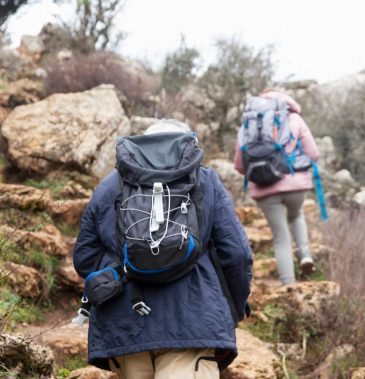
Kilimanjaro Climbing routes
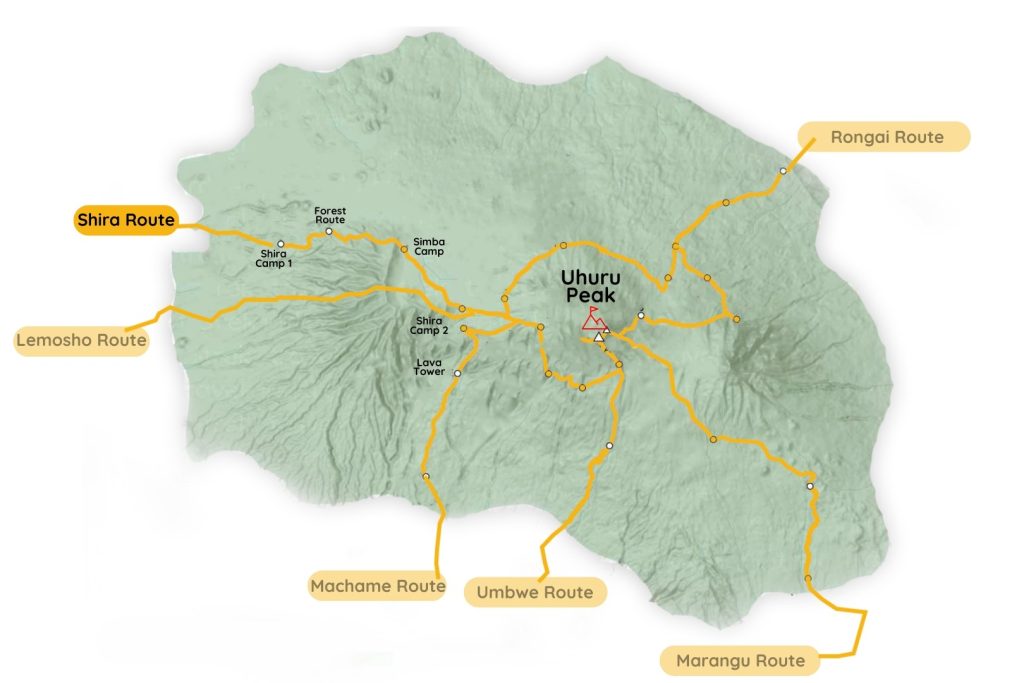
MARANGU ROUTE
The Marangu Route, also known as the “Coca-Cola Route,” is the only route that offers hut accommodation instead of camping. This makes it a popular option for climbers who prefer more comfort during their trek. It is often considered the easiest route due to its gradual path, but its shorter duration means less time for acclimatization. Proper preparation is still essential for a successful summit.
MACHAME ROUTE
The Machame Route, often referred to as the “Whiskey Route,” is one of the most popular and scenic ways to climb Kilimanjaro. It is ideal for adventurous climbers who want breathtaking views and a well-paced acclimatization profile. This route passes through lush rainforest, moorland, and alpine desert, offering diverse landscapes and spectacular scenery. Although it is considered moderately challenging, its high success rate makes it a top choice for many climbers.
LEMOSHO ROUTE
The Lemosho Route is widely regarded as the most scenic route on Kilimanjaro. It begins on the western side of the mountain and offers a more remote and less crowded experience. This route provides excellent acclimatization due to its longer duration, increasing the chances of reaching the summit. Climbers enjoy stunning panoramic views, diverse wildlife, and a peaceful journey through some of Kilimanjaro’s most beautiful landscapes.
RONGAI ROUTE
The Rongai Route approaches Kilimanjaro from the northern side near the Kenyan border. It is one of the quieter routes, making it ideal for those who prefer solitude and a less crowded trail. The gradual ascent makes it relatively easier compared to other routes, and it is a good option during the rainy season because it lies in a drier area of the mountain. The descent is usually done via a different route, adding variety to the experience.
UMBWE ROUTE
The Umbwe Route is the steepest and most direct route on Mount Kilimanjaro, making it one of the most challenging options for climbers. It is best suited for experienced hikers who are confident in their physical fitness and altitude tolerance. This route begins through dense rainforest and quickly ascends to higher altitudes, offering dramatic ridges, narrow paths, and stunning views. Due to its rapid ascent, acclimatization is limited, which lowers the overall success rate compared to other routes. However, for those seeking a demanding and adventurous climb with fewer crowds, the Umbwe Route provides an intense and rewarding experience.
SHIRA ROUTE
The Shira Route is a scenic and less-traveled path that begins on the western side of Mount Kilimanjaro at a higher starting altitude. This route offers beautiful views across the Shira Plateau, one of the most impressive landscapes on the mountain. It is similar to the Lemosho Route but starts higher, which can make acclimatization more challenging for some climbers. Despite this, it provides a peaceful trekking experience with fewer crowds and stunning panoramic scenery. The Shira Route is ideal for well-prepared climbers who want a unique perspective of Kilimanjaro and are comfortable starting at higher elevations.
Best time to Climb Mount Kilimanjaro
The best time to climb Kilimanjaro is during the dry seasons, when weather conditions are more stable and visibility is clear. These periods offer the best chance for a successful and enjoyable climb.
The main climbing seasons are from January to early March and from June to October. During these months, the weather is generally dry, with less rain and better views of the surrounding landscapes. January to March is slightly quieter and colder, often with snow at the summit, while June to October is the most popular time due to favorable weather conditions.
The rainy seasons, which occur from April to May and November, are less ideal due to slippery trails, increased cloud cover, and reduced visibility. However, some experienced climbers still choose these months for fewer crowds and a more peaceful trekking experience.
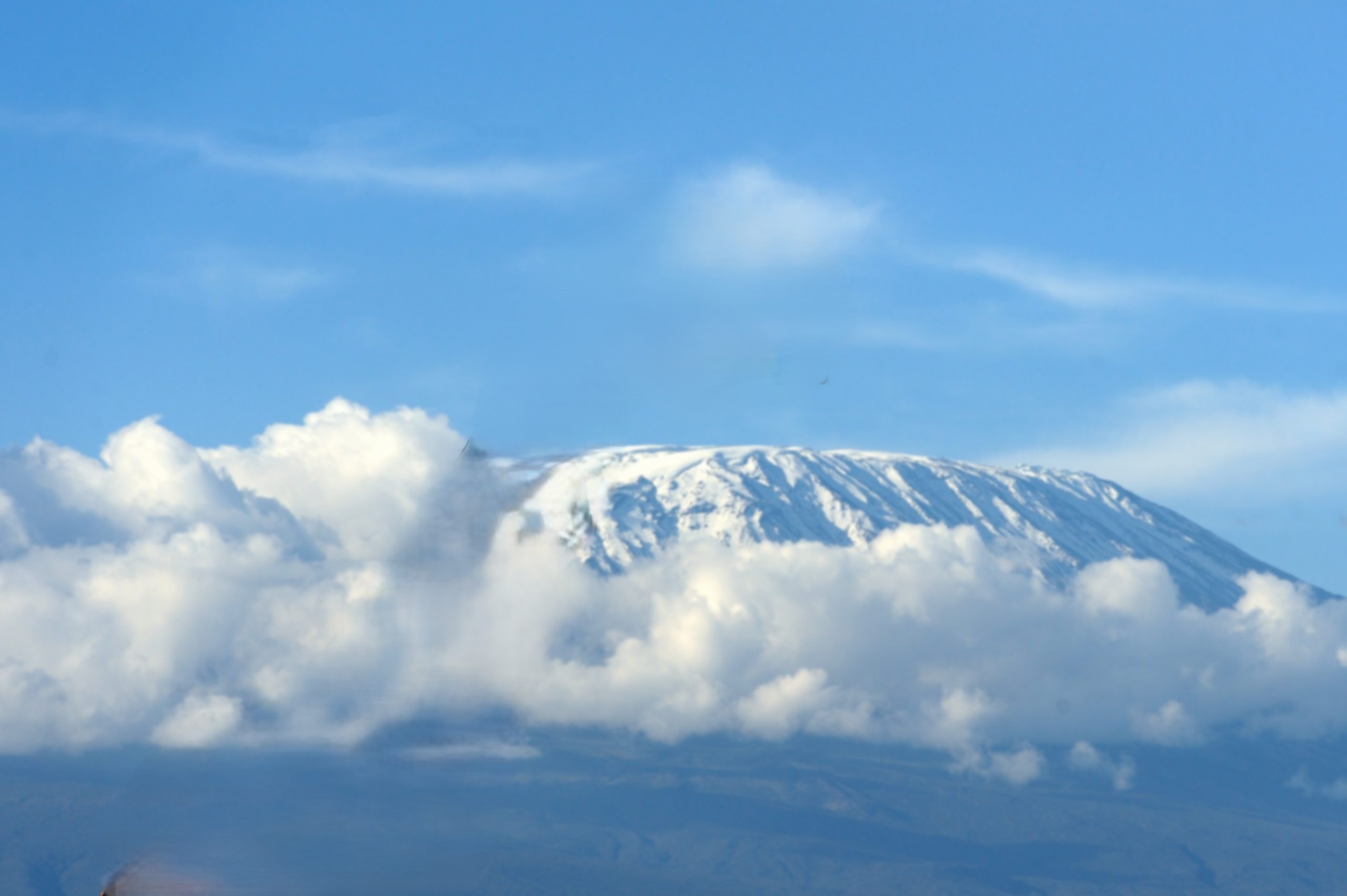
Why Climbing mount Kilimanjaro
A Once in a Lifetime Achievement
Reaching the summit of Kilimanjaro is a dream for many travelers. Standing at the highest point in Africa gives a deep sense of accomplishment and pride that stays with you forever.
No Technical Climbing Required
Unlike many high mountains, Kilimanjaro does not require ropes, ice axes, or technical climbing skills. This makes it accessible to beginners who are physically prepared and determined.
Incredible Natural Beauty
The journey takes you through diverse ecosystems, including rainforest, moorland, alpine desert, and glaciers. Each day offers new scenery, making the climb visually rewarding.
Personal Growth and Challenge
Climbing Kilimanjaro tests your mental strength, patience, and determination. It pushes you beyond your comfort zone and builds confidence as you overcome each stage of the journey.
Cultural Experience
You will be accompanied by experienced local guides and porters, giving you insight into Tanzanian culture, traditions, and hospitality, making the experience even more meaningful.
Unforgettable Views from the Summit
Watching the sunrise from Uhuru Peak, above the clouds, is one of the most breathtaking moments you will ever experience. The panoramic views create memories that last a lifetime.